About Us

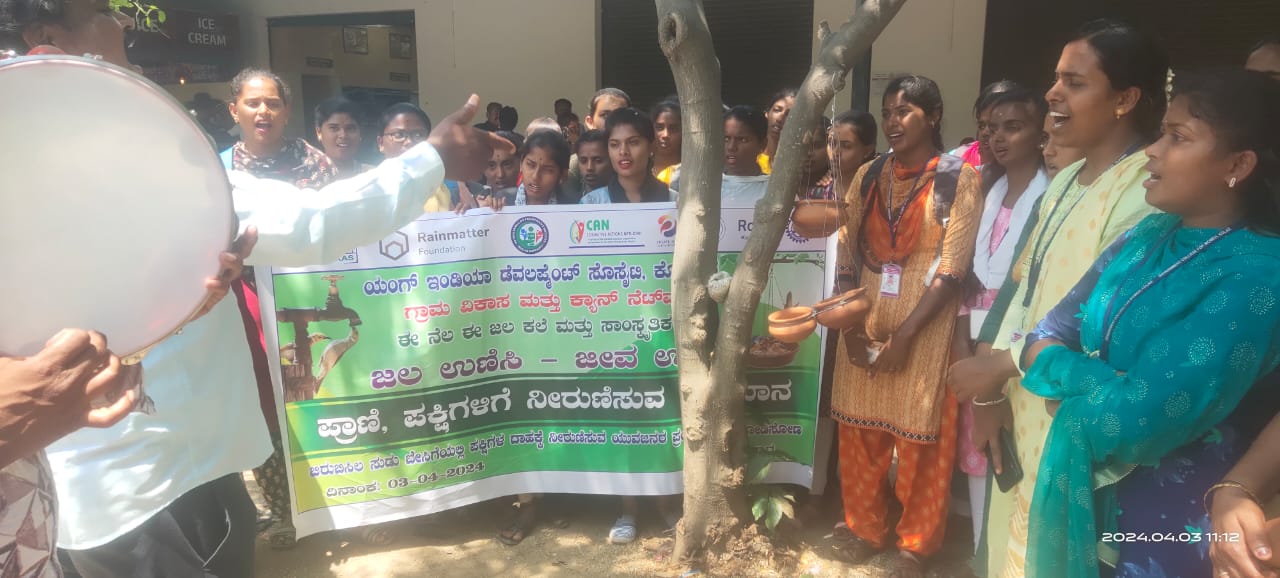
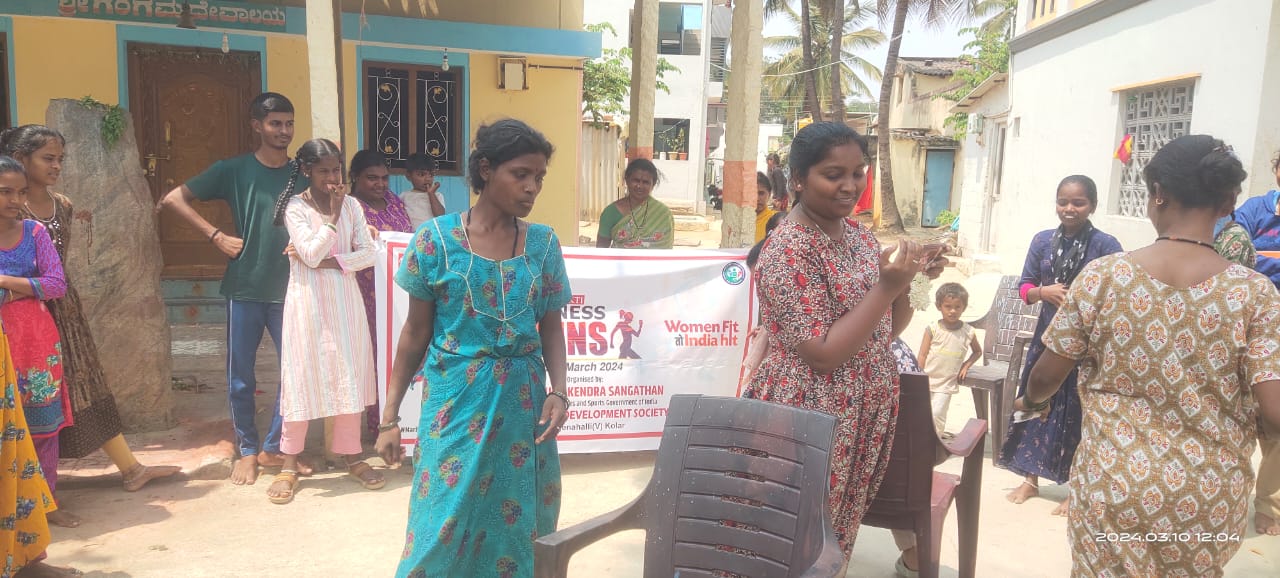
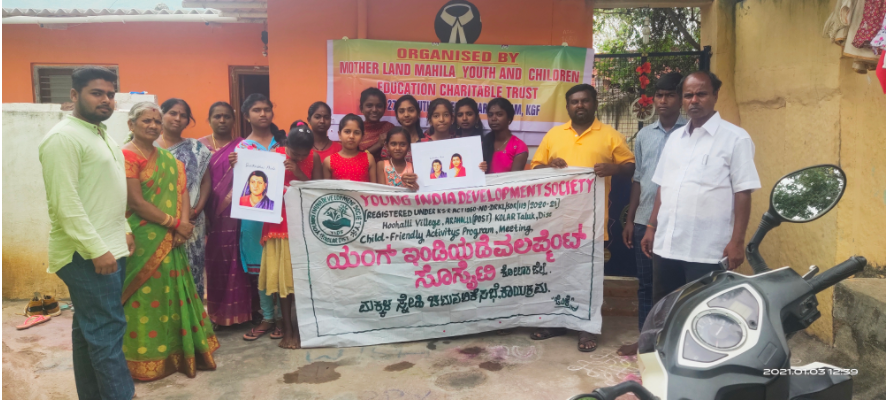
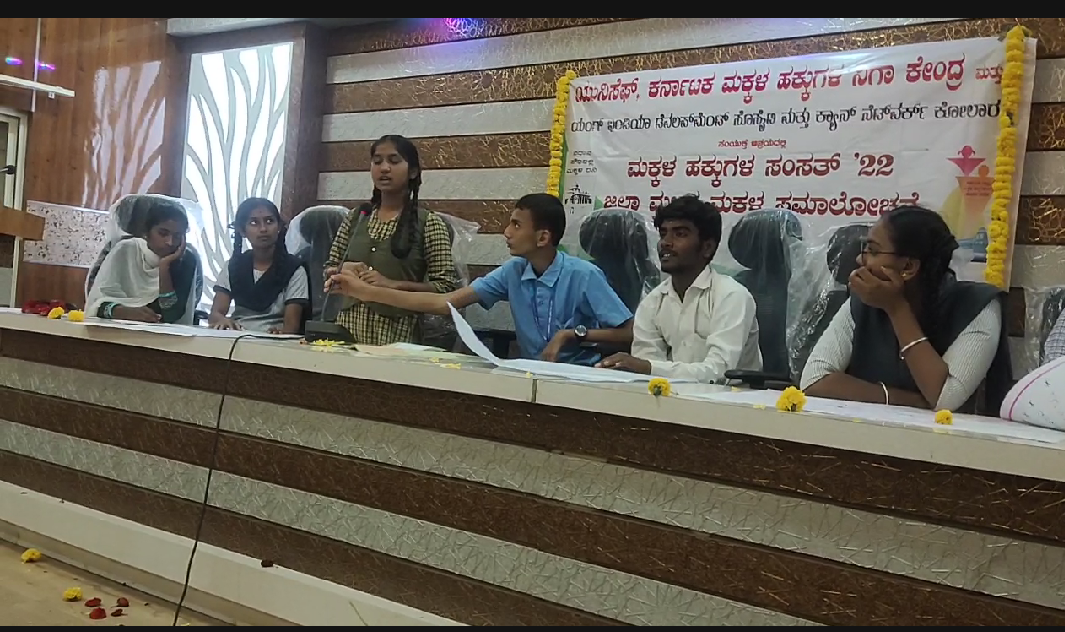
Young India Development Society-NGO

youth and children's rights, to give education, health, Support to the growing children specially to the girl child. Society continuously working to make these youth community strong.

Young India Development Society was founded Mr A. Nagaraj, which was registered in the year 2020. A. Nagaraj was belonged to poor community and since childhood he worked as a child labour. Constantly fighting against those who brutally abuse their rights. Mr Nagaraj started his life at the trees and has been working in the district since from ten years for the sustainable development of women, disabled, children, exploited community and the youth community. This organization works to restore fundamental human rights to give good environment and create some facilities to give drinking water, health and hygiene, land owning rights to the empowerment and the development Of women, children and youth community as guaranteed by our Indian constitution. Young indian …

Learn More
Our focus area

Events

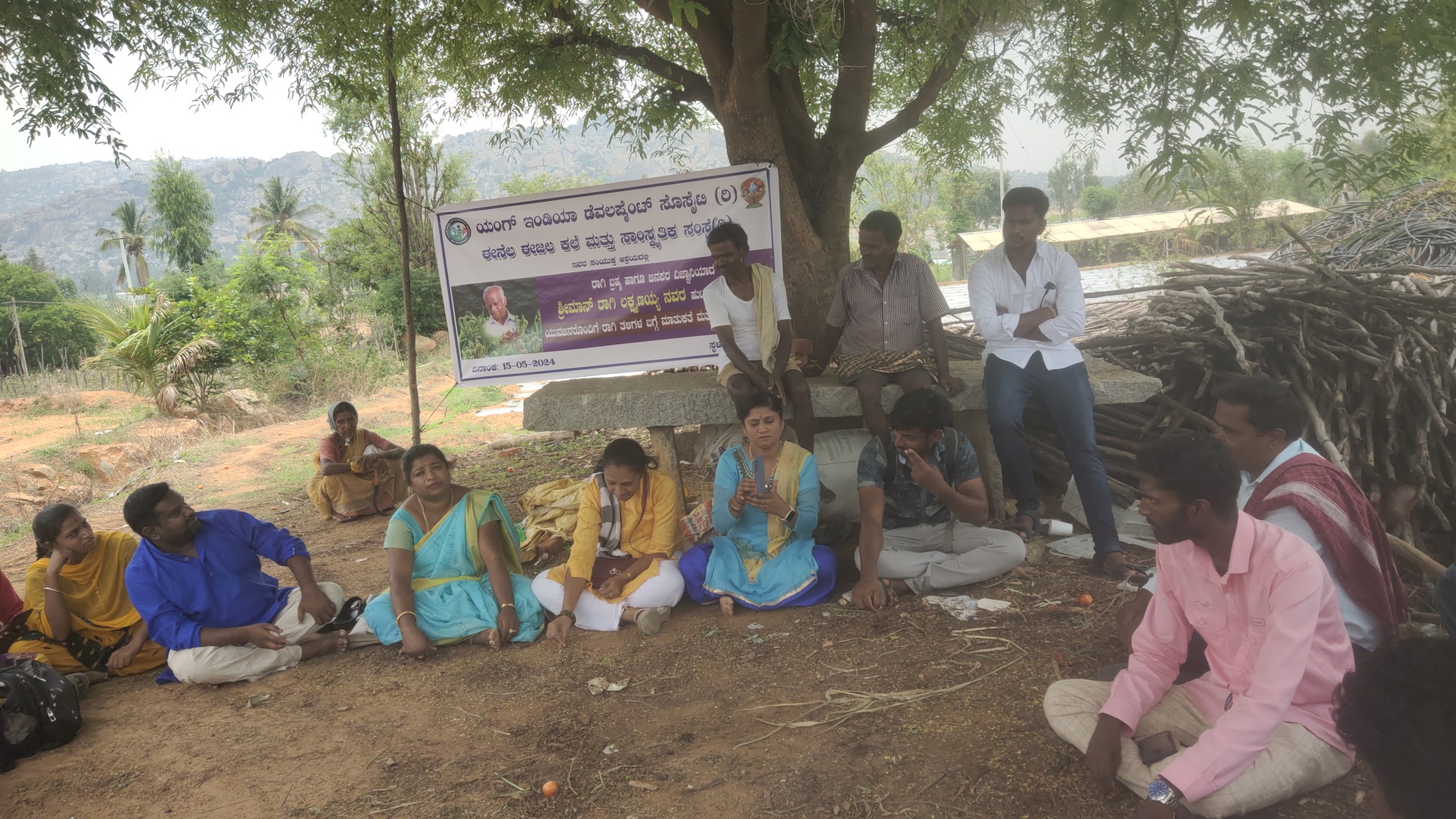
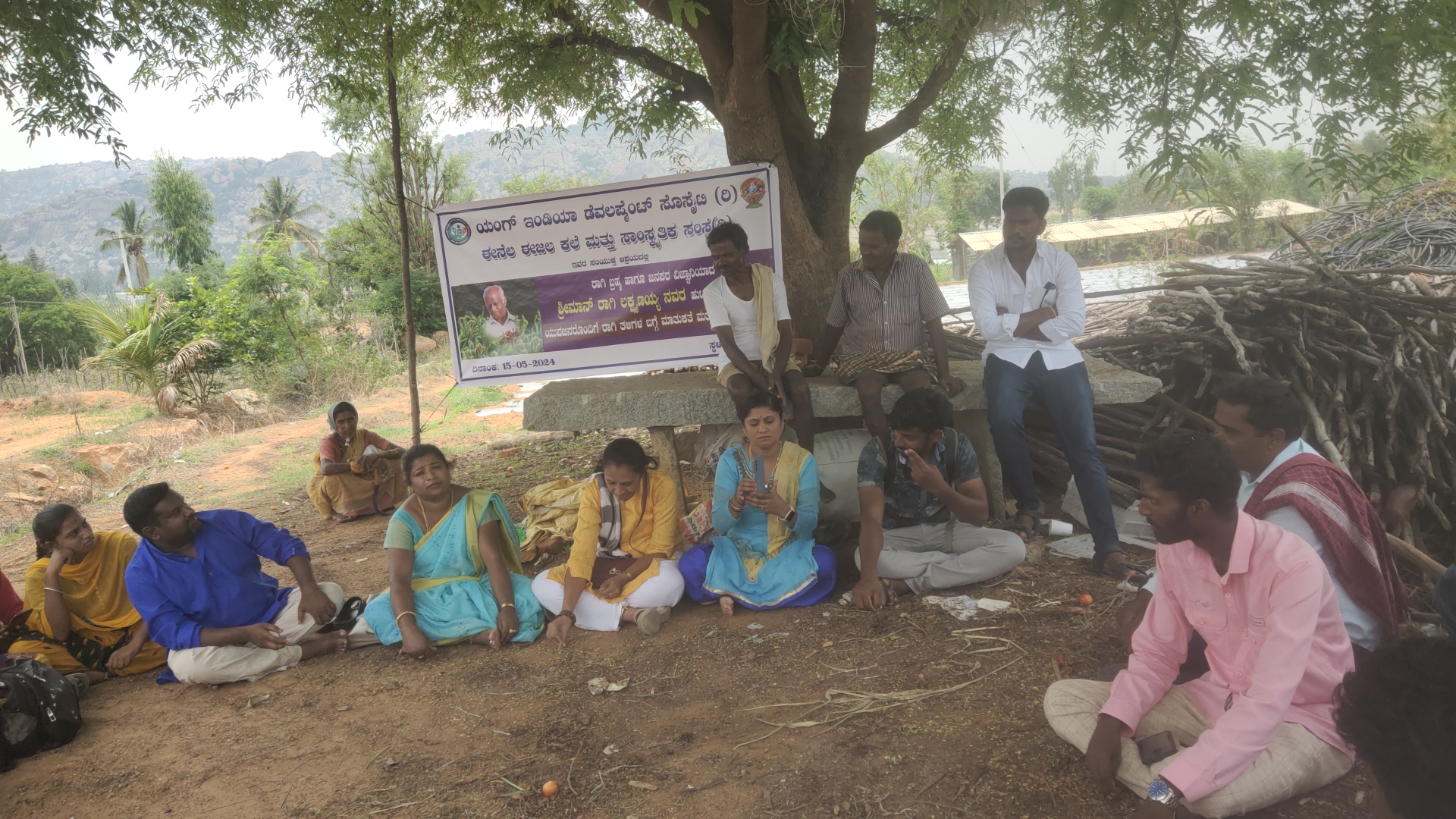
"discussion and experimental training with young people on millet varieties"

Young India Development Society, Ee Nela Ee Jal Art and Cultural Organization, Ragi Brahma, Janpara Raibhari Lakshmanaiah's birth anniversary, "discussion and experimental training with young people on millet varieties" in the millet field of Choudadenahalli village of Kolar, E.-15 of Mulagalli village, senior farmers of Choudadenahalli village. By telling people how they got it, we grew from 10 bales of paddy to 20-30 bales of millet after the endof. Lakshmanaiah was a popular person who discovered about 23 high yielding varieties of millet. He is famous by the name 'Ragi Lakshmanaiah'. Born on May 15, 1921 in a poor Dalit farmer family in Harohalli village of Mysore taluk. He completed his B.Sc from Central College, Bangalore. Botany studied at BSS made him world's first millet breeder. Mandya's farm. From 1951 to 1964, he bred the millet varieties of our state with Coimbatore millet varieties and released Annapurna, Udaya, Purna, Arun, Shakti, Absolute, Kaveri millet varieties. Per cent from these breeds. It was possible to get 50% higher yield. Country millet varieties were crossed with African millet varieties to release high yielding millet varieties from INDAF 1 to INDAF 15 (India + Africa = INDAF). From this, it was possible to grow 15 to 20 quintals of millet for the yield of five to six quintals of millet. The yield of millet from these varieties is 250 percent increase. As a result, the hunger of crores of people was quenched. Social activist Vijaya today introduced us to Seedless Andre Companies are eager to get patents on seeds The day has come when we have to beg companies for what to eat. The life situation of the earth has come as a result of using the seeds of this company along with the required fertilizer. So now we have to switch from seedless culture to seed must culture discreetly and inform people around us about it. If the land survives, we all survive, so the call was chosen to preserve the seed of the plant and discard the seedless. Eenela Eejala Venkatachalapathy participated in the discussion by singing environmental songs of the youth. Women Protection Committee President Sasikala, Lakshmidevi, Jaja and the youth participated in this training.

Our Impact

0 We have reached 5000 children through our programs
0 We have reached 51112 adolence,youth and children through our programs in climate change, children
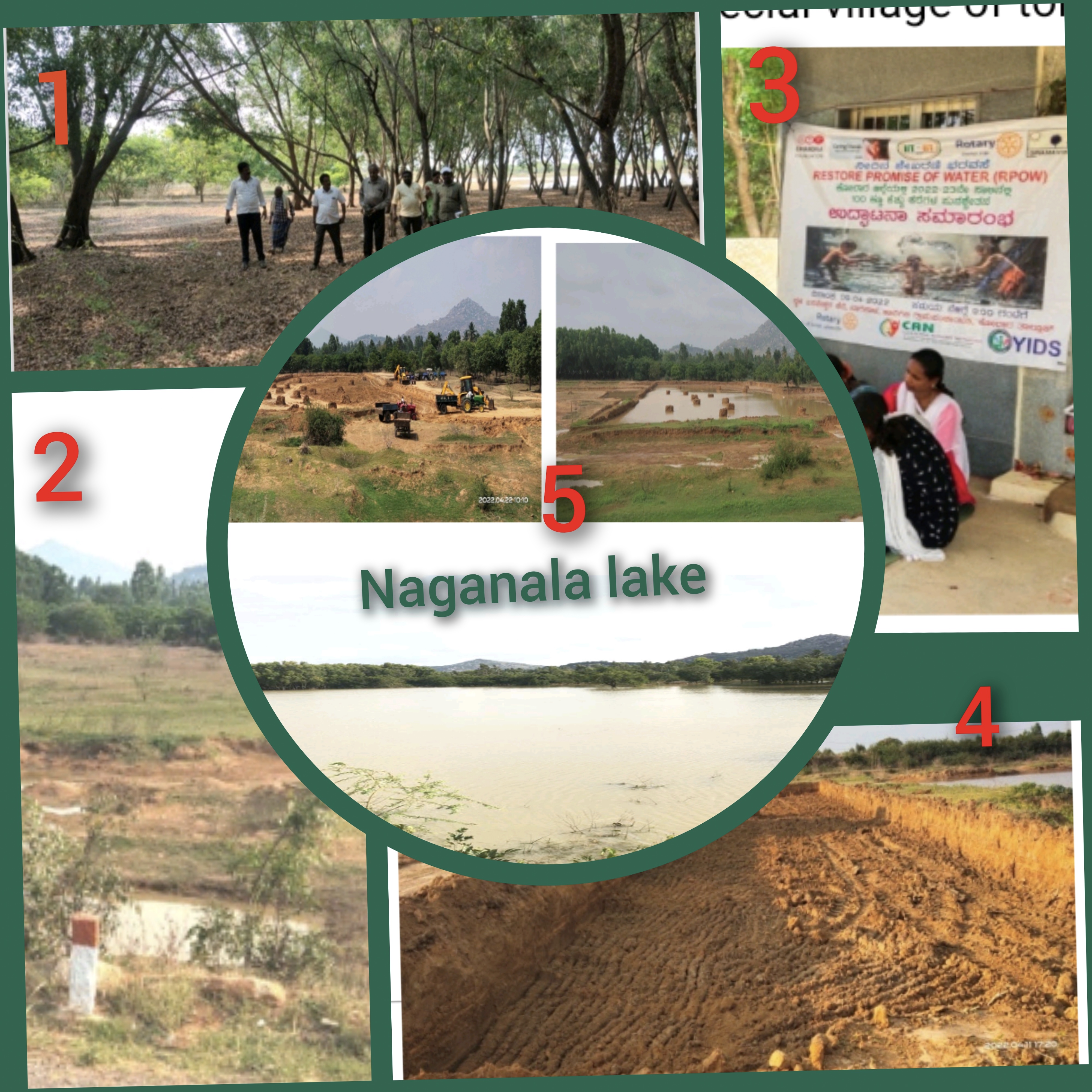
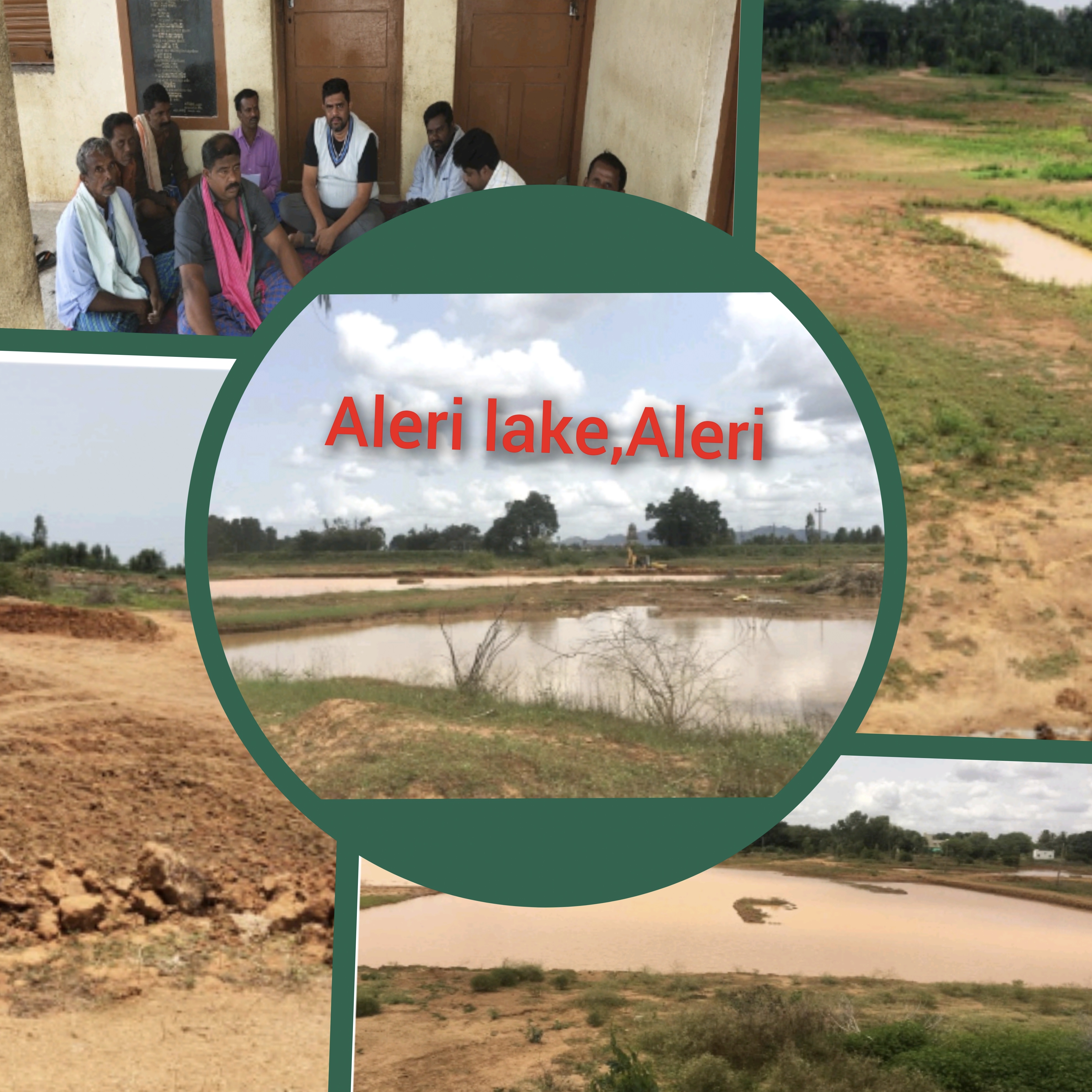
0 10modal tank including about 150 farmer families, and have removed about 34000 loads of silt and collected 10 crore liters of water.

But we're not done yet. We need you

Become a volunteer

Connect with us on social media